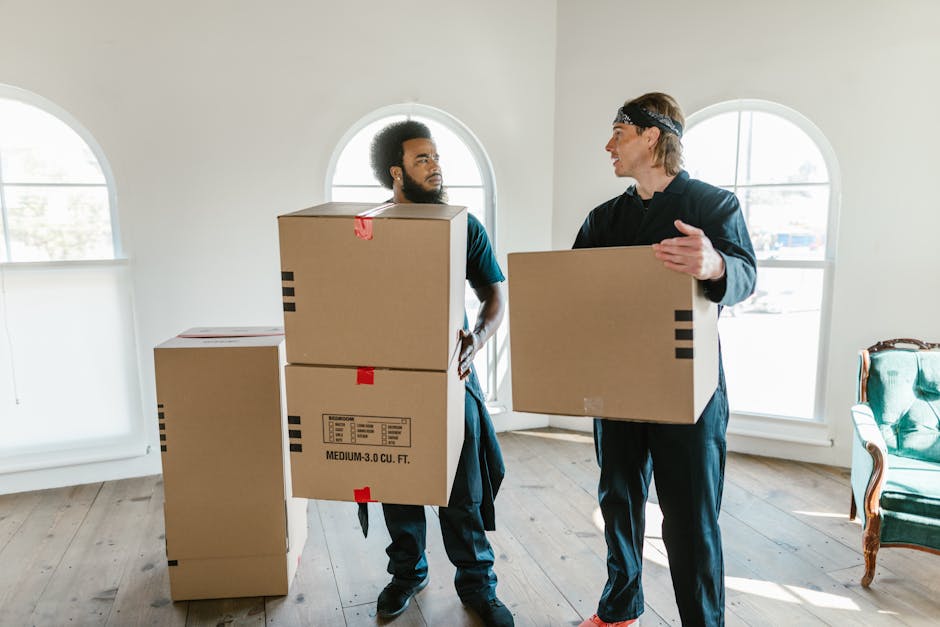
Cheap removals Finchley Central tips for small moves
If you are planning a small move in Finchley Central, the good news is that you do not need a huge removals budget to do it well. A studio flat, a one-bedroom move, a student relocation, or just a few bulky items can often be handled efficiently if you plan properly and choose the right kind of service. The bad news? Small moves can still become surprisingly expensive when you book too much vehicle space, leave packing too late, or forget about awkward access around the property.
This guide pulls together practical Cheap removals Finchley Central tips for small moves so you can keep costs sensible without cutting corners on safety or reliability. You will find clear advice on how small moves work, what affects pricing, when a man and van style service can make sense, and where people commonly overspend. We will also cover a realistic checklist, a comparison table, and the kind of details that often get missed until moving day. Let's make it feel manageable. Because, frankly, moving one sofa is still a move.
Table of Contents
- Why cheap removals Finchley Central tips for small moves matters
- How cheap removals Finchley Central tips for small moves works
- Key benefits and practical advantages
- Who this is for and when it makes sense
- Step-by-step guidance
- Expert tips for better results
- Common mistakes to avoid
- Tools, resources and recommendations
- Law, compliance, standards, or best practice
- Options, methods, or comparison table
- Case study or real-world example
- Practical checklist
- Conclusion
- Frequently asked questions
Why Cheap removals Finchley Central tips for small moves Matters
Small moves get underestimated all the time. People assume that because there are only a few boxes, the job will be quick, easy, and cheap. Sometimes that is true. Just as often, it is not. A few heavy items, a top-floor flat, narrow stairwells, on-street parking pressure, or a tight loading window can add time and cost fast.
In Finchley Central, that matters even more because local moves often sit in the overlap between busy London logistics and residential streets where space is limited. If you are moving out of a flat, a shared house, or a compact home, the difference between a smooth job and a stressful one often comes down to planning. Cheap does not have to mean rushed or careless. It usually means right-sized.
That is the real point here: small moves should be cost-efficient, not underprepared. A sensible budget move is built around what you actually need, not what a provider would prefer to sell you. If you only need one vehicle, a single mover, or a short local route, you should not be paying for a full-scale operation. Simple. But it takes a bit of judgement.
Many readers also want reassurance that cheaper options are still safe. Fair question. A good low-cost move still needs proper lifting methods, sensible loading, and insurance-aware handling of your belongings. For that reason, it is worth understanding the balance between price, care, and practicality before you book anything.
How Cheap removals Finchley Central tips for small moves Works
Small move removals usually work by matching the transport and labour to the size of the job. Instead of sending a large lorry with unused space, a provider may use a removal van, a smaller crew, or a flexible booking slot. That is one of the main reasons these jobs can be cheaper when planned properly.
A typical small move might include:
- a short local collection and delivery route
- a few boxes, suitcases, and soft furnishings
- one or two bulky items such as a bed, desk, or wardrobe
- light dismantling or reassembly
- ground-floor to flat or flat-to-flat access
The price usually reflects a few core factors: time, vehicle size, labour, access, and distance. If your move is straightforward, you are more likely to benefit from an efficient quote. If the access is awkward, parking is restricted, or the property contains fragile or heavy items, the job can become more involved even if the volume is low.
There is also a choice between full removal support and a lighter-touch transport option. For example, if you have already packed everything and only need transport and carrying help, a service like man with van may be appropriate. On the other hand, if you need more structured assistance with packing, a wider removal services package may suit you better. The right answer depends on your actual workload, not the label on the service.
Truth be told, this is where people sometimes overspend: they book too much capacity because it feels safer, then end up paying for empty space. A little planning avoids that very neatly.
Key Benefits and Practical Advantages
Done well, a small move can be one of the most cost-effective types of relocation. You are not paying for unnecessary manpower or oversized transport, and the job often finishes faster than a larger house move.
1. Lower transport costs
Smaller loads often fit into smaller vehicles or shorter booking windows. That can keep the quote sensible, especially for local Finchley Central moves where travel time is not a major factor.
2. Faster loading and unloading
When you only have a few items, the process tends to be less physically demanding and easier to sequence. A well-packed one-bedroom move can sometimes be completed in far less time than people expect.
3. Easier planning
Small moves are easier to break into stages. You can pack early, separate essential items, and decide which things need professional help. That can reduce last-minute pressure, which is often what drives avoidable costs.
4. Better fit for students, renters, and first-time movers
People moving from shared housing, studios, or compact flats often need a service that is flexible rather than formal. In those situations, a lighter removals option is usually a better fit than a large crew.
5. Less waste
Smaller moves naturally encourage more efficient use of boxes, fuel, and vehicle space. If you are trying to keep the move greener as well as cheaper, that is a nice bonus. Not glamorous, but useful.
Practical takeaway: the cheapest move is rarely the one with the lowest headline price. It is the one that matches the load, the access, and the level of help you actually need.
Who This Is For and When It Makes Sense
These tips are most useful if you are not moving an entire household. They are especially relevant for:
- students moving between accommodation blocks or shared houses
- renters in flats or maisonettes with limited furniture
- people relocating a few streets away within Finchley Central
- small households moving only essentials
- people moving bulky items without a full house relocation
- home workers moving a desk setup or office chair collection
You may also find this useful if you have already moved most of your belongings and only need help with the final heavy lift or last few boxes. A lot of people reach that stage and think, "Can I really do the rest myself?" Sometimes yes. Sometimes no. A sofa down two flights of stairs has a way of changing minds.
If your situation includes fragile furniture, awkward parking, or a strict move-out deadline, using a more structured service can still be worthwhile even for a small load. For example, people with bed frames, wardrobes, or mixed furniture often compare options such as flat removals and furniture removals because those services are built around compact but awkward jobs.
Step-by-Step Guidance
If you want to keep costs down, the most effective approach is to prepare the move in the right order. That usually saves more money than any single "hack". Here is the process I would follow.
Step 1: Make a realistic inventory
List every item that needs moving. Be honest. A few "small" things quickly become a van full of awkward bits. Include boxes, lamps, mirrors, bicycles, bags, and anything that needs careful handling.
Step 2: Separate what can be moved yourself
Take out items you can transport in a car or by hand. Books, clothes, cushions, and smaller kitchenware are often cheaper to move independently if you have the time and access.
Step 3: Measure the bulky items
Measure anything tall, wide, or heavy. Beds, wardrobes, appliances, and long mirrors can change the vehicle and labour required. A quick measure now can prevent a price jump later.
Step 4: Check access at both addresses
Look at stairs, lift access, parking, loading space, and door widths. If you are in a Finchley Central flat with limited parking, mention that early. It is better to be slightly over-detailed than to have the crew arrive and discover the van cannot park close enough.
Step 5: Choose the right service level
If you only need transport and carrying, a lighter option may suit you. If you need packing support too, consider packing and boxes or packing and unpacking services so the job is priced around the actual help you need.
Step 6: Ask for a clear quote
Any decent quote should explain what is included. Ask about labour, vehicle size, waiting time, stairs, parking pressure, and whether dismantling or reassembly is included. If the quote feels vague, that is usually a warning sign, even if it sounds cheap.
Step 7: Prepare the route on the day
Keep a parking space in mind, keep keys accessible, and make sure the essentials are ready first. Small jobs are often won or lost in the first twenty minutes. Once the van is loaded neatly, everything tends to feel easier.
Step 8: Do a final sweep
Check cupboards, loft spaces, bathroom shelves, and behind doors. It is always the tea bags, charger, and one missing shoe that cause trouble. Always.
Expert Tips for Better Results
There are a few practical habits that make a small move cheaper without making it chaotic. None are flashy. They just work.
Book at the right time
Weekends and month-end slots are usually busier. If your schedule is flexible, a weekday or mid-month move can sometimes be easier to arrange and may offer better value. You do not need to force it, just ask.
Use fewer, better-packed boxes
Many small movers underestimate the cost of poor packing. Loose items take longer to load, and oddly shaped boxes are a pain in narrow hallways. Solid box packing makes the job smoother and safer.
Protect awkward items properly
Wrap mirrors, lamp bases, and table edges. A couple of minutes with padding can prevent damage that costs far more than the packing material. The same applies to chairs with delicate legs or drawers that rattle open.
Be clear about what counts as "small"
What feels like a small move to you might be more like a medium job to the provider. Be specific: "one bed, one desk, eight boxes, two suitcases, and a bike." That helps avoid misunderstandings and awkward extras on the day.
Ask about flexibility for mixed loads
Sometimes you are moving a few personal items plus one larger piece of furniture. In that situation, a hybrid approach can work very well. You might use a smaller vehicle and add support for a few heavy items rather than booking a larger crew. If you only need one item removed, furniture pick up may be more suitable than a full move.
Keep essentials separate
Put medication, chargers, documents, and one change of clothes in a bag you keep with you. It sounds obvious until the kettle is somewhere in the van and your passport is buried under a duvet. Then it matters a lot.
Common Mistakes to Avoid
Small moves feel simple, so people often relax too soon. That is where a lot of avoidable costs come from.
Underestimating volume
Three boxes in the bedroom can become eleven once you open the wardrobe and kitchen cupboards. Count properly and include the awkward bits.
Not mentioning stairs or access issues
If the provider turns up expecting easy access and finds a third-floor walk-up, the timing changes. Always disclose the real layout. It keeps the quote honest and the day less stressful.
Choosing the cheapest quote without checking what is included
A low headline price can hide limits on waiting time, mileage, or labour. Cheap is only cheap if it covers the job properly.
Leaving packing until the last minute
Rushed packing usually means more breakages and more time on the move day. If the boxes are half-done at 11 p.m., the next morning gets messy fast.
Booking a service that is too big
If your move could be handled by a compact local team, do not pay for a larger vehicle and crew unless you genuinely need them. A man with a van style solution can often be enough for a small, local load.
Forgetting building rules
Some flats have lift booking rules, noise expectations, or limited loading windows. If you ignore that, the whole move can slow down. It is a tiny admin task that saves a lot of grief.
Tools, Resources and Recommendations
You do not need fancy kit for a small move, but a few basics make life much easier. Most of this is simple, which is exactly why it helps.
- Sturdy cardboard boxes for books, kitchenware, and mixed household items
- Packing tape and labels so you can identify rooms quickly
- Bubble wrap or paper wrap for fragile items and glass
- Blankets or covers for furniture protection
- Basic screwdriver or Allen keys if furniture needs dismantling
- Door wedge or tape to keep doors open while carrying
- Phone flashlight for dark cupboards, cellars, or late-afternoon winter moves
For many small moving jobs, the most helpful "resource" is simply good organisation. A short written inventory, a labelled box stack, and a clear loading order will save more time than you might think. If you need more hands-on support, pairing transport with packing and unpacking services can be sensible, especially if work or family life leaves you short on time.
If you are unsure about whether your move needs a van-only solution or a more complete service, it can help to compare the full range of removals options rather than guessing. That usually gives you a more accurate fit. And yes, the right fit matters more than people think.
Law, Compliance, Standards, or Best Practice
For a small domestic move, there is usually no complicated legal process for you as the customer. Still, good practice matters. Professional removals work should be handled with appropriate care, sensible lifting methods, and clear communication about risk and liability.
If you are comparing providers, check the basics:
- whether goods are covered appropriately during transit
- what the company says about handling damage or complaints
- whether the service description matches the work you need
- how payment, booking, and cancellation terms are explained
It is also wise to read the provider's insurance and safety information and, where relevant, their health and safety policy. That is not about being formal for the sake of it. It is about knowing your belongings and the people moving them are being handled responsibly.
From a best-practice perspective, a good small-move service should be clear, punctual, and careful with access. It should also explain what happens if the vehicle cannot park directly outside, or if an item turns out to be heavier than expected. Honest quoting is part of the service. Always has been.
For broader trust signals, you may also want to understand the provider's company background via the about us page and review practical terms on terms and conditions and payment and security. These are small checks, but they help you avoid surprises.
Options, Methods, or Comparison Table
There is no single "best" way to handle a small move. The right method depends on how much you are moving, how awkward the items are, and how much help you want on the day.
| Option | Best for | Pros | Watch out for |
|---|---|---|---|
| Self-move with a car | A few bags or light boxes | Lowest direct cost, flexible timing | Multiple trips, more lifting, easy to underestimate time |
| Man and van | Small local moves, flats, student moves | Good value, practical for one-off jobs, often flexible | Needs clear inventory and access details |
| Small removals team | Fragile or awkward loads | More help with lifting and organisation | Higher cost than transport-only options |
| Furniture-only collection | One or a few bulky items | Efficient for single pieces | Not ideal if you have lots of loose boxes too |
If you are moving out of a compact flat, you may also want to look at flat removals for a more tailored approach. If your move is specifically student-focused, student removals can be a better match because it is typically designed around lighter loads and tighter budgets.
For people shifting furniture only, a more specialised option such as furniture removals or furniture pick up can be a tidy compromise between doing it all yourself and booking a full house move.
Case Study or Real-World Example
Imagine a small move from a Finchley Central flat to another property a short drive away. The load includes a double bed frame, a mattress, a desk, a dining chair, five boxes, and a mirror. Not huge. But not "just chuck it in the boot" either.
The first instinct might be to book a large vehicle just to be safe. That seems sensible at first glance. Yet if the access is manageable and the furniture is already partially dismantled, that would probably be overkill. A smaller vehicle with the right lifting support could do the job more efficiently.
In a real-world setup like that, the savings usually come from three things: fewer vehicle miles, less wasted capacity, and less time spent loading. The move becomes even smoother if the customer has packed the boxes in advance, labelled the fragile items, and checked where the van can stop at both addresses.
What tends to go wrong in a scenario like this? Usually the tiny details. A bed frame is still assembled. A parking bay is blocked. The mirror is left unwrapped. Suddenly the "simple" move takes longer, and the budget starts moving too. Not ideal, but entirely avoidable.
The better version feels calm. The boxes are ready by the front door, the heavier pieces are protected, and the route through the building is clear. It is a small job, yes, but it runs like a proper plan. That is the difference.
Practical Checklist
Use this quick checklist before you book. It keeps things grounded.
- Inventory completed and checked
- Bulky items measured
- Access at both addresses reviewed
- Parking or loading space considered
- Fragile items packed securely
- Boxes labelled by room
- Essentials bag packed separately
- Quote checked for labour, mileage, and waiting time
- Any dismantling or reassembly needs explained
- Move date and time confirmed in writing
- Insurance and safety information reviewed
- Payment terms understood
If you can tick most of those off, you are in a much better place than the average last-minute mover. Honestly, it is the boring prep that saves the day.
Conclusion
Small moves in Finchley Central do not need to be expensive, but they do need to be thought through properly. The cheapest option is rarely the one with the lowest number at the top of the page. It is the one that fits your load, your access, your timing, and your level of support.
Start with a realistic inventory. Be honest about access. Choose a service that matches the job rather than overselling it. And if you need a bit more structure, use the service pages and trust information available on the site to narrow things down before you commit. A well-planned small move feels almost easy on the day. Almost.
Get a free quote today and see how much you can save.
Move smart, keep it simple, and give yourself a little breathing room. That usually makes all the difference.
Frequently Asked Questions
What counts as a small move in Finchley Central?
A small move usually means a compact load such as a studio flat, a one-bedroom property, a student move, or a few bulky items with several boxes. The key factor is not just the number of items, but how much space, labour, and access they require.
How can I keep removals costs low for a small move?
Pack early, reduce the load, measure bulky items, and give accurate access details. Booking the right size of service is often the biggest money-saver. If you do not need full-scale support, do not pay for it.
Is a man and van service suitable for small moves?
Yes, often it is. For local, light-to-medium jobs, a man and van style service can be a practical choice because it gives you transport and lifting help without the cost of a larger operation.
What should I tell the removals provider before booking?
Share the full inventory, stair access, parking restrictions, lift availability, and any fragile or heavy items. The more accurate the details, the more realistic the quote will be. That is where people save themselves hassle.
Do I need packing services for a small move?
Not always. If you are organised and have time, you can pack yourself. But if you are short on time or moving fragile household items, packing and unpacking services may be worth it.
How far in advance should I book a cheap small move?
As early as you can, especially if you want a preferred date or a weekday slot. Small moves are more flexible than bigger relocations, but good times still get taken quickly around month-end and weekends.
Can I move just one piece of furniture cheaply?
Yes. Single-item or small furniture jobs are often cheaper when handled as a focused collection rather than as a full removals booking. A service like furniture pick up may suit that kind of job.
What are the biggest mistakes people make with small moves?
The big ones are underestimating the load, ignoring access issues, packing badly, and choosing a quote without checking what is included. Those are the mistakes that turn a cheap move into a frustrating one.
Are small moves still insured?
They should be, but you should always check. Read the provider's insurance and safety information carefully and make sure the cover is appropriate for the job and your belongings.
What if I need to move quickly at short notice?
Short-notice moves can sometimes be handled through flexible scheduling, but availability depends on demand and the size of the job. If timing is tight, explain that early and ask whether a same-day option is realistic.
Is it worth comparing flat removals and student removals for a small move?
Yes, it can be. If you are moving from a flat or a student property, the structure of the job often matters more than the label. Comparing flat removals and student removals can help you find the better fit.
What should I check after the move is finished?
Check for missing items, confirm furniture is in the right room, and inspect anything fragile before the crew leaves. A quick walk-through at the end saves a lot of backtracking later. If something feels off, raise it straight away and keep the tone calm.